|
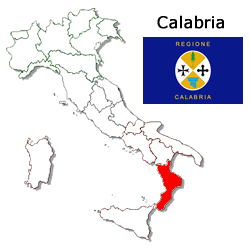 Information on Calabria - Italy Information on Calabria - Italy
 Reggio Calabria Catanzaro Cosenza Crotone Vibo Valentia Reggio Calabria Catanzaro Cosenza Crotone Vibo Valentia
Southern Italy (est. pop. 2,070,401) 5,822 sq mi (15,079 sq km)
Home to magnificent high, rugged mountains, Calabria is filled with snow until the end of May. Unlike neighboring Basilicata, Calabria has wooded areas where flowers bloom and wildlife and greenery abound. The region boasts some of the cleanest water on the whole Italian coastline due to the lack of pollutant development in the area.
Chestnuts, olives, citrus trees, almonds, and figs all grow well in Calabria's subtropical climate. A species of orange that grows only in Calabria, called arancia calabrese, is prized for its skin, which is boiled and candied, and sent all over Italy for use in fruitcake and pastries.
Calabria produces one-third of Italy's olive oil and is second after Sicily in the production of oranges, figs, and cedri limes. Eggplant is the leader of the vegetable crop, and Calabrians eat it in varied ways: sauteed in olive oil with garlic and parsley; coated in egg and bread crumbs and fried; and stuffed with salted anchovies and bread crumbs. Sweet peppers, artichokes, zucchini, onions, mushrooms are also ubiquitous. As in Basilicata, chili is the spice of choice here.
Although the Ionian Sea and the Gulf of Taranto are rich in tuna, swordfish, sardines, and anchovies, mountain cooking dominates the cuisine, and pork reigns supreme in this poor man's country. There are countless salamis and sausages, as well as all manner of homemade pastas. Ever-popular Pecorino is made by every family that owns a sheep. The luxury of sweets is usually reserved for holidays.
The food of Calabria is simple: pastas and vegetables, complimented by olive oil and sausages. Think of various shapes of dried pasta like spaghetti or penne topped with colorful sauces with combinations of tomatoes, eggplant and peppers. Combine that with spicy dried salame or other sausages such as pork sopressata or smoked capocollo and you pretty much sum up the cuisine of Calabria. All these ingredients frequently make their way into hearty soups. The result is what we in America now think of as a "Mediterranean" diet.
Throughout Italy, and especially in southern regions like Calabria, homemakers create frittatas as a means of using up leftovers. A frittata is usually described as an open-faced omelette where the fillings are cooked inside (as opposed to a French omelette, where fillings are rolled inside thin egg pancakes). I also think of a frittata as a quiche without a crust. However you describe it, it requires eggs and whatever other ingredients you choose, cooked together in a saute pan. In most regions, the "other" ingredients are vegetables, meat or seafood. In Calabria and other southern regions, pasta is frequently included.
The wines of Calabria include only local wines and not often exported.
 We welcome inquiries for available accommodations for the region of Calabria and surrounding areas. Contact us for listing requirements. (Hotels - Motels - Villas - Bed & Breakfast - Condo Rentals, Agriturismo & all related accommodations) We welcome inquiries for available accommodations for the region of Calabria and surrounding areas. Contact us for listing requirements. (Hotels - Motels - Villas - Bed & Breakfast - Condo Rentals, Agriturismo & all related accommodations)
Information:
 Regione Calabria official site Regione Calabria official site
|
| |
Reggio Calabria
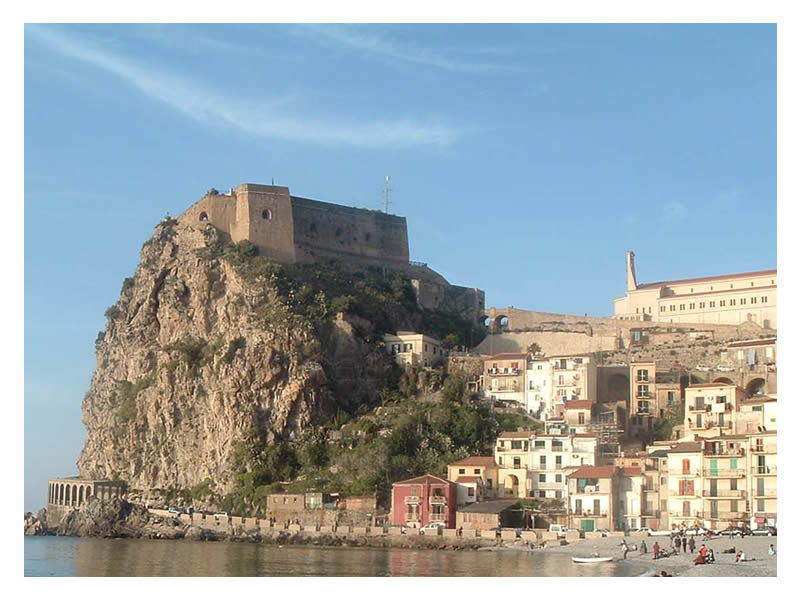 Reggio Calabria is the most highly populated city in the Calabrian Region (around 180.000 inhabitants) and is situated on the southern tip of the region on the eastern side of the Straits of Messina and opposite the city of Messina to which it is closely linked. Reggio Calabria is the most highly populated city in the Calabrian Region (around 180.000 inhabitants) and is situated on the southern tip of the region on the eastern side of the Straits of Messina and opposite the city of Messina to which it is closely linked.
Calabria is a region in the southern part of Italy. With only 9 percent of flat land, most of Calabria is comprised of hills and mountains. Unlike many places that are frequented by tourists, Calabria does not possess a multitude of historic and constructed tourist attractions. Calabria does not have the many tourist spots that the whole of Italy has. Though, there are also ancient bridges, churches, and castles what Calabria boasts for is the pure and real beauty of the place and its dwellers.
While all the bigger cities and provinces in Italy have updated to the modern civilization, Calabria with remnants of the magnificent ancient civilization still offer the old warm captivating appeal to the gallant sightseer. The unpolluted air and clean water are such a sight to behold for anyone who visits Calabria. Aside form the coastline and mountains that primarily draw tourists in Calabria, the warm and cordial character evident to Calabrians add to the real beauty of the place
Reggio Calabria is a very ancient settlement and clear traces of the Roman and Greek period are visible. It was under Arab domination during the X Century, and became a Norman colony towards the middle of the XI Century. The Church of “Santa Maria di Terreti” dates from this period; it was damaged by the 1908 earthquake, and some of its remains are preserved in the church of the “Ottimati” and in the National Museum of Magna Graecia.
From the XII century onwards the city was subjected to Swabian, Angevin and Aragonese domination. In the XVI century it came under Spanish rule until the War of the Spanish Succession which brought about the end of the viceroyalty. Then began the period of Burbon domination which continued, with brief interruptions (the Napoleonic occupation), until 1861; in this year the Peninsula was united as the Kingdom of Italy.
Rebuilt many times after the numerous earth tremors which devastated its urban structure, the last one being the catastrophic quake in 1908, today Reggio Calabria has a modern urban layout. The city centre, entirely redesigned according to the Post Earthquake Reconstruction Plan, is based on a grid pattern, along orthogonal axes which extend inland from the coast line. Hence the architecture of the inner city dates mainly from the first decades of the XX century, with interesting examples of the following styles: Art Nouveau, neo-Gothic (the Zerbi Villa ), neo-Classic (the Municipal Theatre), eclectic ( the Mazzitelli House), and what is usually called “Fascist” (the central station, the National Museum of Magna Graecia designed by Piacentini, the former headquarters of the Young Fascists).
Moreover in the urban setting a number of other buildings are of interest namely the Aragonese Castle, in the upper part of the city, the Cathedral completely rebuilt following the 1908 earthquake, the afore mentioned Church of the “Ottimati”, the Church of “Santa Maria della Cattolica”, the “Graziella” Church (XVII century), which partially survived the 1908 quake.
The city is also the site of a National Museum, which is second only to the Berlin Museum for its vast and significant collection of Magna Graecian remains, including the “Bronze Warriors” and the “Philosopher’s head”. As previously stated Reggio Calabria is a city on the sea.
The seaside esplanade, described by the Italian poet Gabriele D’Annunzio as the “finest mile in Italy”, faces the island of Sicily and offers one of the most important botanical gardens with a variety of tropical plants and India rubber trees (Ficus Elastica) which are nearly a century old. Behind the city rises the Aspromonte massif , which reaches 1800 metres and includes the skiing centre of Gambarie. Moving north along the coast you come to Scilla, linked to the Homeric legend. This is an ancient fishing village; the harbour area is known as Chianalea, which is the oldest and most picturesque quarter. It is built in the shadow of the rock rising from the sea and is very well preserved. In the upper part of the town there is the castle of the Ruffo di Calabria family built on the rock facing the Straits.
The climate is typically Mediterranean but also displays small climatic variations due to its particular geographical postion in different meteorological zones – the Ionian and Tyrrhenian zones and the Sicilian Straits - come together. The city has excellent transport connections to the rest of the world by means of the rail network (it is the terminus of one of the main Italian rail routes, that between Rome and Reggio Calabria), the road network ( the A3 Salerno-Reggio Calabria Motorway), the domestic Straits Airport situated a mile or two from the city centre, and the ferry and hydrofoil links to Sicily. The University Campus is in the Feo di Vito district on a hill overlooking the port.
 What to taste: What to taste:
• Reggio Calabria is the part of the peninsula which is closest to Sicily, the influence of which can be noted in some of the local dishes. Although close to the sea, meats are a fundamental product, pork especially together with lamb, kid and wild boar. There are many well-liked spicy sausages and salamis, all made from pork, the foremost being pancetta, a kind of bacon which is used in the preparation of a number of dishes.
• Amongst the fish dishes, the mustica is particularly noteworthy, a special preserve of anchovy fry of the Ionian coast. It is prepared by the Calabrians in a particular way, first of all laying the anchiovies out on a wooden table in the sun, covering them with powdered chili peppers and then, when dry, putting them into glass bottles and immersing in olive oil. The mustica, also known as rosamarina is a spicy hors d'oeuvres which is eaten spread on slices of bread.
•
There are many desserts, similar to the Sicilian ones. One old recipe is the fried turtiddi, made with white flour, honey, Moscato wine, cinnamon, orange peel and juice.
• Reggio Calabria's province is essentially an agricultural area noted for its production of olive oil, wine and citrus fruits. Don't forget to try the bergamot's liqueur.
Cities & Towns:
More info her on all the Municipalities, Cities, Towns and Villages - Reggio Calabria
What to do:
• Behind the city rises the Aspromonte massif , which reaches 1800 metres and includes the skiing centre of Gambarie.
• If you like sailing, canoeing, or windsurfing, the best place from the centre is the Circolo Velico, near the roman ruins in Lungomare. You need to ask for information there, and courses are available. If you want to rent a boat, refer to Spartivento on Torrente Annunziata, near Lido and Quiper shop. Also at Lido Comunale they do windsurf courses. Kyte Surf at Pellaro coast is another place, and you need to bring your equipment. Diving is best in the areas of Scilla.
• There are also lots of organised events, shows, concerts, etc from the municipality in squares, which are a good way to spend your time.
Places to visit: Churches, Museums, Ruins, Piazzas, Fountains,
• The Aragonese Castle, in the upper part of the city, the Cathedral completely rebuilt following the 1908 earthquake.
• The Church of the “Ottimati”, the Church of “Santa Maria della Cattolica”, the “Graziella” Church (XVII century), which partially survived the 1908 quake.
• The National Museum, which is second only to the Berlin Museum for its vast and significant collection of Magna Graecian remains, including the “Bronze Warriors” and the “Philosopher’s head”. As previously stated Reggio Calabria is a city on the sea.
Events:
• Gastronomic festivals, or sagre in Italian, are based on a certain crop or farming at a given time of year. In January, when pigs are slaughtered, entire towns have "La Sagra di Maiale", Pork Feast, where every imaginable type of pork based dish is prepared in town squares by numerous families and the entire population spends three days feasting together.
Tours avaiable in the region:
Accomodations in close proximity: Hotels, Restorts, Holiday Houses, Condo Rentals, Farm Holidays (Agritourismo),
Flights - Car Rentals - Cruises:
Restaurants in close proximity:
• The city is nown for some of the finest restaurants in Italy. If you have planned to dine in this city. At the restaurant L'Approdo in Vibo Marina you can have a delightful dinner tasting the traditional cuisine of Calabria. Another worthy restaurant in Reggio Calabria is La Locanda di Alia at Castrovillari. Apart from the various combinations of cuisines, the restaurant has a greatl ambiance. These restaurants and bars in Reggio Calabria is dedicated to provide you a wholesome dinner.
• Gordon Bleu, Corso Garibaldi is a reputed fast food selling concern, that is responsible in selling ice cream, crêpes, pizza slices, and other special menu. Pizzeria Rusty is a popular take-out restaurant at Via Crocefisso that sells mouth-watering pizza and other delicious snacks. If you chance to check in La Dolce Vita at Viale G. Zerbi, then you can relish on some excellent ice cream.
• When it comes to restaurants and bars in Reggio Calabria the city is well equipped with a large number of quality pubs located all over the city. You can taste some exotic liquor along with some finest Italian wines.
• (Add a restaurant review in the italian blog area of our website).
|
|
| |
Catanzaro
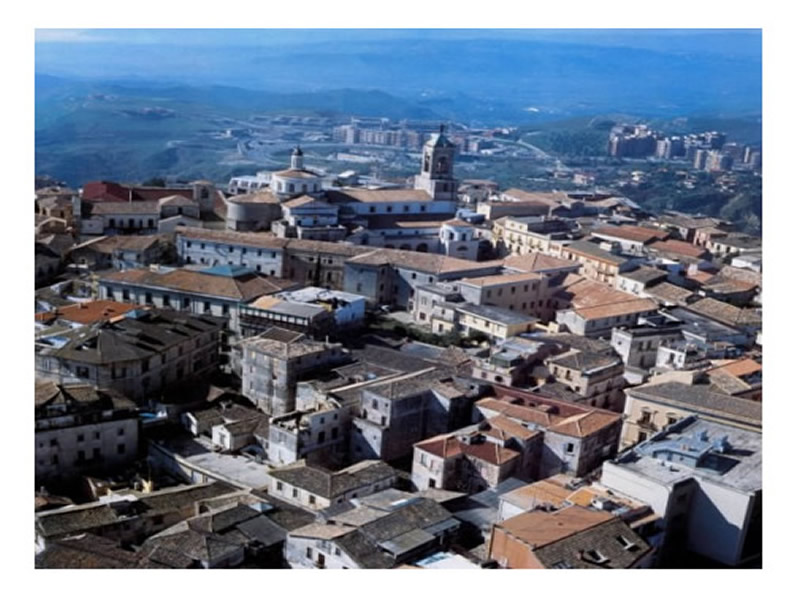 Catanzaro is the capital of Calabria, which is divided into Catanzaro, Cosenza, and Reggio di Calabria provs. (named after their capitals). The region is generally mountainous, with narrow coastal strips. Long one of the most depressed areas in Italy, the government has tried to stimulate the economy through land reform, the introduction of new crops, and the promotion of tourism. Farming is the main occupation; olives, plums, grapes, citrus fruit, and wheat are grown, and sheep and goats are raised. Fishing is well developed along the Strait of Messina. The region's few manufactures include processed food, wine, forest products, chemicals, and metal goods. There are several large hydroelectric plants. Catanzaro is the capital of Calabria, which is divided into Catanzaro, Cosenza, and Reggio di Calabria provs. (named after their capitals). The region is generally mountainous, with narrow coastal strips. Long one of the most depressed areas in Italy, the government has tried to stimulate the economy through land reform, the introduction of new crops, and the promotion of tourism. Farming is the main occupation; olives, plums, grapes, citrus fruit, and wheat are grown, and sheep and goats are raised. Fishing is well developed along the Strait of Messina. The region's few manufactures include processed food, wine, forest products, chemicals, and metal goods. There are several large hydroelectric plants.
What to taste:
• The basic ingredient of Catanzaro's cuisine include olive oil, the chilly pepper and the wholemeal bread.
• The pasta chena is a local specialty, a filled pasta with provola, boiled eggs, soppressata and dressed with meat sauce and grated cheese.
• The ciambrotta, a vegetarian dish made with pasta with a dress of fried eggs and pecorino cheese.
• The most famous main dish is u murseddu, a focaccia bread (pitta) filled with pork sauce, veal or plucks cooked with tomato and a lot of chilly pepper, and the stigghiole, entrails of kid, veal or pork cooked with tomato, vegetables and chilly peppers.
• Of coarse there is the soppressata and the cheeses especially the butirri caciocavallo with butter inside.
• "Crocette" is a typical pastry consisitng of dry figs filled with nuts, cinnamon, candied cedar cooked in the oven. The pastries are served with the local Malvasia wine.
• Among the wines for meal we recommend the wines produced on the hills of the province. Although, most people are not aware of Calabrian wines, the region has many vineyards that date back to the Greek age. The main wines of the region are Donnici and Ciro which are made from white Greco grapes and red gaglioppo grapes.
• It isn't difficult to find plenty of preserves in the region like preserved tuna, aubergines, mushrooms and tomatoes along with plenty of other pickled vegetables. Nduja (Nduja is a soft, spicy hot, spreadable salami considered one of the most famous, if not the most famous, of typical calabrian foods) is a must buy since it is a very famous local specialty.
Cities & Towns:
More info her on all the Municipalities, Cities, Towns and Villages - Catanzaro
What to do:
• The beach, or as it is popularly known in this area, the Lido is situated only a few minutes away from the center of the city. The life of the city revolves around its beach since it is the main hang out place for the locals as well as the tourists. The sandy shores and the clear water make it a perfect place to relax on a sunny afternoon.
• Outdoor shopping in Calabria can be a lot of fun since they offer an opportunity to visitors to purchase good quality authentic local handicrafts for next to nothing prices. The same handicrafts would be available in the local shops for high prices as souvenirs. These flea markets are held either annually or once a month but they are definitely worth a visit.
• The city has departmental stores, some local chain stores, food stores and malls where visitors would be able to find almost everything that they need. Apart from that, the old town of Catanzaro is lined with several ancient looking small shops that sell everything from handicrafts and souvenirs to the local specialty food products like the pecorino cheese, cold cuts, salami and the Calabria local olive oils. The wine shops in Catanzaro have many local Calabria wines as well as wines from the other regions of Italy.
• You can visit the beach situated in the Lido situated only a few minutes away fron the center of the city.
• On the coast it is possible to go jogging, to do excursions by bicycle and to photograph the wonderful landscapes.
• In Zagarise, in the heart of the del National Park of Sila (Little). the activities here are so many and suitable for the whole family: trekking, mountain bike, orienteering, climbing.
Places to visit: Churches, Museums, Ruins, Piazzas, Fountains,
• Duomo - This ancient cathedral was first built in 1121 and was later rebuilt and renovated in the 16th century in the Renaissance style. During the bombings of 1943, the cathedral had been almost completely destroyed but it has been restored to its original glory since then.
• Basilica dell'Immacolata - This is known to be one of the most important religious landmarks in the region. This ancient basilica is quite intimidating in size and is built in the famous Baroque style of architecture with huge marble columns supporting the structure.
• Santa Teresa - Santa Teresa is also known as Chiesa dell'Observenza, and inside the structure is an ancient chapel which was built in the 16th century known as the Chapel of the Holy Sepulchre. There is also a famous statue made by Antonello Gagini within the chapel.
• Catanzaro Bridge - The Catanzaro Bridge has become the most famous landmark of the city since decades. It is a one arch bridge which has become immensely popular since it is one of the tallest bridges in Europe. Architecture lovers should not miss out on visiting this unique bridge
• Church of the Santissimo Rosario - This ancient church is one of the most beautiful churches in Catanzaro. It was built in the 15th-16th century time period with a renaissance façade. The church has a single nave interior with beautiful art work and carvings, a true feast for the eyes.
Events:
• Catanzaro Jazz in Spring
• The Fiest ofi San Giuseppe the first of May in rione Piano Casa
• Fiest of the Madonna dei Cieli the 3rd day of September
Tours avaiable in the region:
Accomodations in close proximity: Hotels, Restorts, Holiday Houses, Condo Rentals, Farm Holidays (Agritourismo),
Flights - Car Rentals - Cruises:
Restaurants in close proximity:
• Catanzaro has some of the best cafes, restaurants and bars in the region. The restaurants serve authentic Italian food that is simple but delicious, making use of its local produce and fresh sea food. Most restaurants here serve the fresh catch of the day that is brought in by the fishermen every morning and have dishes that are designed around some of the best fish, shrimps and other sea food. A must try in Catanzaro is the local sea food risotto and freshly made pasta along with grilled fish.
• (Add a restaurant review in the italian blog area of our website).
|
|
| |
Cosenza
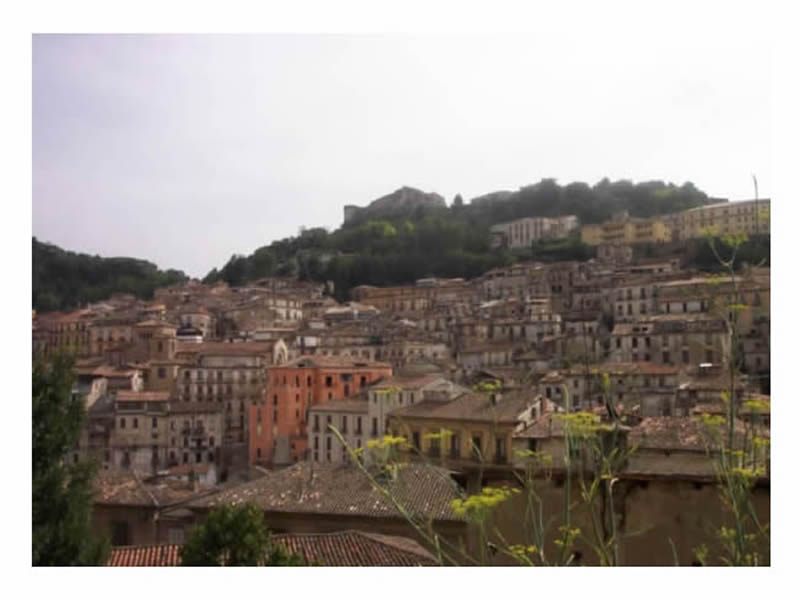 Cosenza (population 104,000), a provincial capital in Calabria, stands at the confluence of two rivers. The old town, overshadowed by its castle, descends to the River Crati, whereas the growing modern city lies to the north, beyond the Busento, on level ground. The historic city centre is crossed by the winding Corso Telesio. Cosenza (population 104,000), a provincial capital in Calabria, stands at the confluence of two rivers. The old town, overshadowed by its castle, descends to the River Crati, whereas the growing modern city lies to the north, beyond the Busento, on level ground. The historic city centre is crossed by the winding Corso Telesio.
The dishes of the restaurants of Cosenza depend on its neighborhood, from the “Maccaruni alla Toranese” of Torano Castello, with pieces of bacon fat and onion, to the Vermicelli alla Sammartinese of San Martino di Finita, with sauce and pecorino (ewe's-milk cheese), and finally home-made pasta, “recchiatelle” and baked lasagna. Another tasty dish based on meat is made of kid without its entrails and stuffed with vermicelli seasoned with the sauce of the same entrails. In Cosenza and its environs, one can taste game cooked by the hunters of the Pollino as they did in the past. These dishes are based on hares, woodcocks, quails and partridges. Along the Tyrrhenian coast of Cosenza one can taste fish dishes like sardines in the Cetraro way. The hinterland of Cosenza is the land of the mushrooms prepared in several ways and bottled in oil. The typical Calabrian sweets are: homemade biscuits, taralli, dried figs covered with chocolate. The Wines come from the vines of Pollino, about 13 proof, and of Savuto, 14 proof a table wine. Even the white wine from the vines of Esaro, the red Esaro and the Muscat vine of Cosenza are as much well known
What to taste:
• Offered during the Immacolata and for the entire Christmas period are the cuddrurieddri a ring-shaped salted cake (cuddrurieddri is an Italian deep fried cookie that resembles a biscotti in texture).
• The turididdri are fried Christmas pastries covered by figs honey and the scaliddre are sugar glazed.
• As an appetizer there is the pitta 'mpigliata, the fusilli (fresh pasta), the pasta with potatoes are tijeddra, fried potatoes and pipareddre (peppers), broccoli and sausages, lagane e ciciari (wide tagliatelle and chickpeas).
• The fish dishes include the most famous is the fried cod, and the spaghetti with anchovies and fried breadcrumbs.
• The mostaccioli are the typical pastries for San Giuseppe, focaccia bread made with honey bees or figs, cooked must, flour and almonds, with particular shape coming from the ancient offers to the gods.
• Also as a specialty is the liquorice liquor.
Cities & Towns:
More info her on all the Municipalities, Cities, Towns and Villages - Cosenza
What to do:
• In the National Park of Pollino is possible to practice rafting and canoe, especially on the river Lao.
• The Riviera is well equipped for the water sports, from wind surf to water ski. There are also beach volley and football courts.
• In the interior it is possible to visit the many fairs and feasts to taste the typical dishes and discover the local tradition.
• Cosenza, which provides a good base for exploring La Sila, one of the last great stretches of European forest still intact.
• A wide range of outdoor pursuits (swimming, camping, fishing, hiking, sunbathing, sailing...) which you can enjoy surrounded by the incredible beauty of its Natural Parks.
• It is a region of incredible diversity which could allow you to go from skiing in the Sila mountains to swimming in the Sea within an hours drive.
Places to visit: Churches, Museums, Ruins, Piazzas, Fountains,
• The Brettii Museum, officially opened in 2009 in the XV century monumental complex of S. Agostino.
• The Museum of the Rimembranze and the Museum Bilotti "Outdoor".
• Rocca Imperiale overlooks to the Ionian Sea and borders with Basilicata.
• Rende is an ancient roman build up area between the streams Emoli and Surdo, developed afterwards in the Crati valley; here Normans built the castle and the surrounding walls.
• In Rossano there is the Museum of the Liquorice Giorgio Amarelli and the Museum diocesano of the Sacred Art, while in Praia a Mare the Local Museum shows woks of contemporary artists.
Events:
• Fiera di S.Giuseppe - March
• S.Giuseppe Rock Festival - March
• Festival delle Invasioni - July
• La sagra dell'uva e del vino (Wine Festival) in Donnici - October
• Festa del Cioccolato (Chocolate Festival) - October
Tours avaiable in the region:
Accomodations in close proximity: Hotels, Restorts, Holiday Houses, Condo Rentals, Farm Holidays (Agritourismo),
Flights - Car Rentals - Cruises:
Restaurants in close proximity:
• Cosenza has various restaurants that serve outdoors as well as indoors. The restaurants here serve mainly dishes made from local produce and fresh seafood. Most of the restaurants serve fresh home made pasta and simple fare for which the region is so renowned. The restaurants in Cosenza is like eating in a family kitchen.
• The cuisine of this area is especially characterised by fish, mostly tuna and anchovies.
• The presence of fish in this cuisine does not exclude the presence of meat-based recipes. These recipes include "'nduja" (spicy liver and lung pork sausage). This dish is prepared using pork meat, liver and lungs, finely chopped and stuffed into the intestine after considerable and knowledgeable seasoning with Calabrian chilli peppers.
• To end meals, figs are famous. "Crochette di fichi" (fig croquettes) are figs stuffed with almonds and baked in the oven. Also famous are "cioffi," figs stuffed with almonds and covered with white or dark chocolate, and "ficarielli," true and proper figs, flavourful and aromatic, gathered in appropriate containers and covered with syrup and aromatic myrtle leaves.
• (Add a restaurant review in the italian blog area of our website).
|
|
| |
Crotone
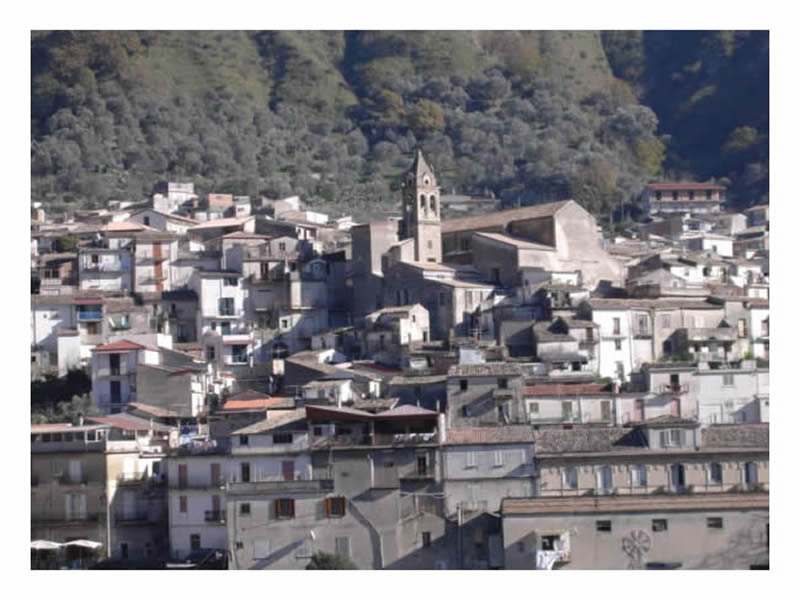 The territory of the province of Crotone is included between the Sila mountains to the west and the Ionian Sea to the east, and was in antiquity an area of very early Greek settlements; ancient Kroton, the present province capital, was the hometown of Pitagoras, Milo, Alcmeon. In the early 20th century the province had a remarkable industrial development, and though most of the chemical plants of those days were closed, the car industry is still growing. The main resources however are in the tourist sector and in agricultural production, especially of wine and wheat. The territory of the province of Crotone is included between the Sila mountains to the west and the Ionian Sea to the east, and was in antiquity an area of very early Greek settlements; ancient Kroton, the present province capital, was the hometown of Pitagoras, Milo, Alcmeon. In the early 20th century the province had a remarkable industrial development, and though most of the chemical plants of those days were closed, the car industry is still growing. The main resources however are in the tourist sector and in agricultural production, especially of wine and wheat.
The largest piazza in Crotone is the Piazza Pitagora, but the Piazza Duomo, in front of the Cathedral, is more people-friendly. The Duomo has elements that date back to the 9th century, but is mostly a 15th century work, with elements of the Baroque worked into its interior.
The archaeological museum near the Cathedral is worth taking time to visit. You will find a wide variety of coins, votive ceramics, terra cotta vases, bronze miniatures and other artifacts that have been found in the area. In the centro storico, a little distance from the Piazza Duomo, you will also find a Civic Museum, library, archives and a hall used for local and traveling exhibitions.
There are a number of churches in the city which will intrigue some visitors, many of them, because of war and earthquakes re-built many times, creating an encyclopedic mix of architectural styles in each edific.
What to taste:
• Best known for pecorino cotronese, made with sheep milk of local production and also the suppressata, typical local salami. The sardella, also called the caviar of the South with the chilly pepper and the wild spices.
• Pipi and patati is the typical summer dish made with peppers and potatoes sauteed with garlic and oil.
• Cirò is Calabria's most famous wine and it is made in the hills above the Ionian coast around Cirò, CirCirò Marina, Melissa and Crucoli. Cirò Marina is located on the site of the ancient Greek colony of Cremissa, where there was an important temple dedicated to Dionysius. The ancient settlement was about halfway between Sybaris and Croton.
Cities & Towns:
More info her on all the Municipalities, Cities, Towns and Villages - Crotone
What to do:
• Discover the archaeological sites alternate to many available excursions in the natural parks and on the mountain.
• On the Ampollino Lake you can enjoy adventures on a canoe or on a pedalo.
• The excursions through the National Park of the Sila can be an occasion not to be missed for those fond of photography, bird-watching and bio-watching.
• If you love the sea you can venture into under water routes to discover the fauna and the flora of the protected Area of Capo Rizzuto Island and the unique seabeds of the coast which goes from Cirò to Capo Piccolo.
• The excursions through the National Park of the Sila can be a wonderful experience for those who love photography, bird-watching and bio-watching.
• You can also venture into under water routes to discover the fauna and the flora of the protected Area of Capo Rizzuto Island and the unique seabeds of the coast which goes from Cirò to Capo Piccolo.
Places to visit: Churches, Museums, Ruins, Piazzas, Fountains
• Crotone hosts a national archaeological museum, a municipal museum, a municipal art gallery, and a provincial museum of contemporary art, as well as the Antiquarium di Torre Nao.
• Among the most famous places we recommend the Castle of Carlo V situated in the ancient part of the city, as well as the Cathedral which hosts important and precious handiworks.
• Just few kilometres away from the city there is the archaeological area of Capo Colonna, where once rose the ancient temple of Hera Lacinia.
• Cirò, famous for the homonymous wine, is situated on a hill dominating Punta Alice, around the rests of the Carafa's Feudal Castle. The ancient village is well maintained and comprehends many genteel dwelling, tangled streets, staircase and religious buildings. The most ancient part of the village begins at con Porta di Mavilia. In this area can be admired historic residences as Capoanom Palace, Vergi palace, Pignataro, Astorini-Susanna, Liotti, and Adorisio.
• Capo Rizzuto Island has very ancient origins and the name comes from the term Asylos, which indicates a shelter. Le Castella is a very famous resort characterized by the beauty of the sea and of its Aragonese Castle, which seems to rise by the waters, linked to the land by a tongue of land.
Events:
• There are two very popular traditional feasts in Crotone. The first one is the Feast of the Madonna of Capocolonna that takes place in spring.
• The second one is the Feast of Magna Graecia that takes place in summer. However, the hinterland of Crotone is rich in traditions. The Upper Ionian of Crotone, in fact, gives hospitality to the Albanian community of Pallagorio, S. Nicola del' Alto and Carfizzi, where year by year old religious rites and arbereshe events are repeated.
Tours avaiable in the region:
Accomodations in close proximity: Hotels, Restorts, Holiday Houses, Condo Rentals, Farm Holidays (Agritourismo),
Flights - Car Rentals - Cruises:
Restaurants in close proximity:
• Crotone has several different restaurants that offer various options to visitors in terms of cuisine, ambiance and drink choices. Most of the restaurants in Crotone are small and cozy, serving local regional dishes made from the freshest local produce and sea food.
• There are also several restaurant that serve high end gourmet cuisine that serve dishes from France, Spain and various Mediterranean dishes. Opting for the local dishes and fresh grilled sea food is the best option in Crotone if you want to experience the local gastronomical delights. Like everything else in Crotone, the food here too is simple and wholesome.
• Some of the best restaurants in the city are Ristorante La Sosta da Marcello, Ristorante La Pignata Di Proeitto Giuseppe, Minniti, Ristorante Sparviero Due and several more. All of these restaurants can be booked ahead of time.
• (Add a restaurant review in the italian blog area of our website).
|
|
| |
Vibo Valentia
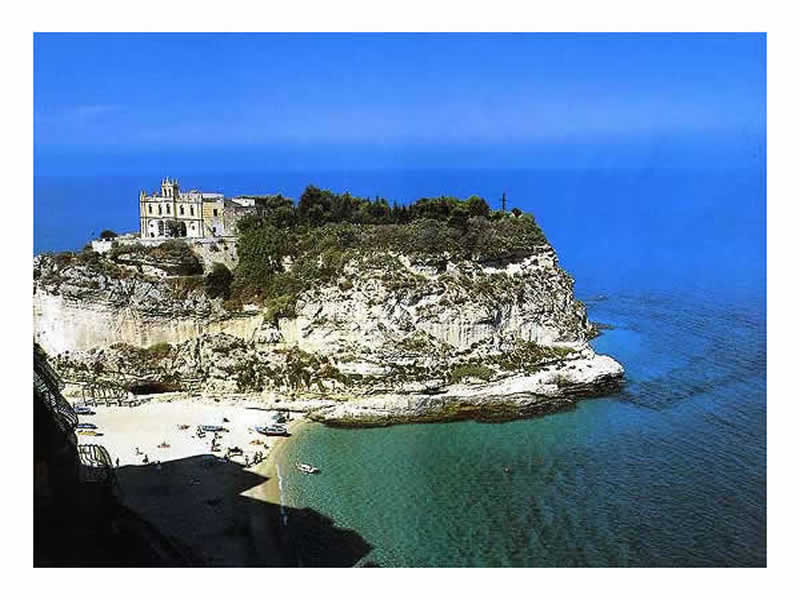 Vibo Valentia , town (1991 pop. 34,836), Calabria, S Italy, near the Tyrrhenian Sea. It is an agricultural and commercial center. A flourishing Roman town, Vibo was destroyed by the Arabs in the 9th cent. and was rebuilt by Emperor Frederick II in the 13th cent. The town has suffered from numerous earthquakes (especially in 1783 and 1905), but Frederick II's castle still stands. There are also Greek ruins. Vibo was known until 1928 as Monteleone di Calabria. Vibo Valentia , town (1991 pop. 34,836), Calabria, S Italy, near the Tyrrhenian Sea. It is an agricultural and commercial center. A flourishing Roman town, Vibo was destroyed by the Arabs in the 9th cent. and was rebuilt by Emperor Frederick II in the 13th cent. The town has suffered from numerous earthquakes (especially in 1783 and 1905), but Frederick II's castle still stands. There are also Greek ruins. Vibo was known until 1928 as Monteleone di Calabria.
The Greek walls of the old town used to stretch over 7km. Made from megalithic stone blocks only 300 meters is left standing, but the doors and defensive towers can still be made out.
The Norman castle has four towers each built at different times by different rulers. The castle is noted for being the spot where 7 martyrs were slain for having defended the town from the impending take over by the Pignatelli. The Archaeological Museum is housed inside.
What to taste:
• Most of the traditional gastronomic delights come from agriculture, sheep farming and fishing.
• The main typical products are marmalade, tuna fish, olive oil, chestnuts, mushrooms, cakes such as 'Nduja of Spilinga, tender salami, the fileja (handmade pasta rolled in long braids) and the ice-cream of Pizzo.
Cities & Towns:
More info her on all the Municipalities, Cities, Towns and Villages - Vibo Valentia
What to do:
• The underwater trips will give you the chance to see unique sea bed and sea fauna. Kitesurf and windsurf are popular sports by the sea and the wind.
• The province boasts thick woods and beautiful nature and a perfect destination for nature lovers.
• One of the best known villages is Capo Vaticano, where there is gorgeous vegetation which includes over 300 breeds of plants.
• Tropea is worth visiting with the following actitieis - trekking, horse riding and cycling.
• The extraordinary landscapes offer a special and unique experience to watch flora and fauna in the vast ecotourism in the local Parks and wildlife reserves.
• Vibo Valentia is also a great place for bird-watching.
Places to visit: Churches, Museums, Ruins, Piazzas, Fountains,
• Vibo Valentia has a medieval historical center with yellow colored monumental buildings and paved with big lava rocks. There is the San Michele bell tower and the whole city is withnes to the Norman Castle, located on the site of Hipponion acropolis. Inside the castle there is the State Archaeological Museum that shows one of the most precious finds from the Hellenic past which is the Laminetta Aurea, the oldest Orpheus text founded in Italy.
• The historical center is a maze of alleyways that crosses the big square which is a meeting place during the summer nights. Here there is also the legendary little church of Piedigrott.
• You can visit Pizzo which is one of the most famous seaside resorts of the province together with Tropea and Capo Vaticano.
Events:
• August VIBO VALENTIA "Il Palio di Diana" relives the legendary story of the heroine of Vibo who lived during 1500's. You'll experience the court of nobles and the handicrafts of the artisan shops. A few days after the festival, the horse race tournament begins. Adding to the charm of this
animated festival, acrobats, jesters and jugglers perform lively acts.
• August; last week VIBO VALENTIA - "La Festa del Turista", On the last Sunday in August, the 'Feast of the tourist' is organized to celebrate the conclusion of the summer holidays. Larger-than-life paper machè depictions of the Saracens and tastings of delicious specialties and exquisite products of our regions.
Tours avaiable in the region:
Accomodations in close proximity: Hotels, Restorts, Holiday Houses, Condo Rentals, Farm Holidays (Agritourismo),
Flights - Car Rentals - Cruises:
Restaurants in close proximity:
• There are various options for eating out in Vibo Valentia. Visitors can either choose from some of the posh restaurants in the city that serve cuisines from around the world or some of the local and smaller restaurants that serve local and regional dishes and home style cooking in an informal environment.
• There are also plenty of cafes and bars in the city where visitors can spend hours and relax with drinks and cocktails along with a light menu.
• The ice cream parlors in the city are quite famous for their ice cream flavors and gelatos, and there are also quite a lot of options for street food and fast food joints.
• (Add a restaurant review in the italian blog area of our website).
|
Home | Advertising Information | Contact Us
Copyright ©2002 Italian Recipes Trinakria Development. All rights
reserved. |
 |
|
|